

About Us
Mission
OARS collaborates with the UNCG community to ensure that campus life is accessible. This includes the removal of barriers to access whenever possible and implementation support for reasonable accommodations for students with disabilities. OARS provides the institution with resources, education, and direct services promoting equitable access and inherent acknowledgment of disability as a part of humanity.
Vision
OARS envisions a campus that is inherently equitable, accessible, & inclusive.
OARS TEAM
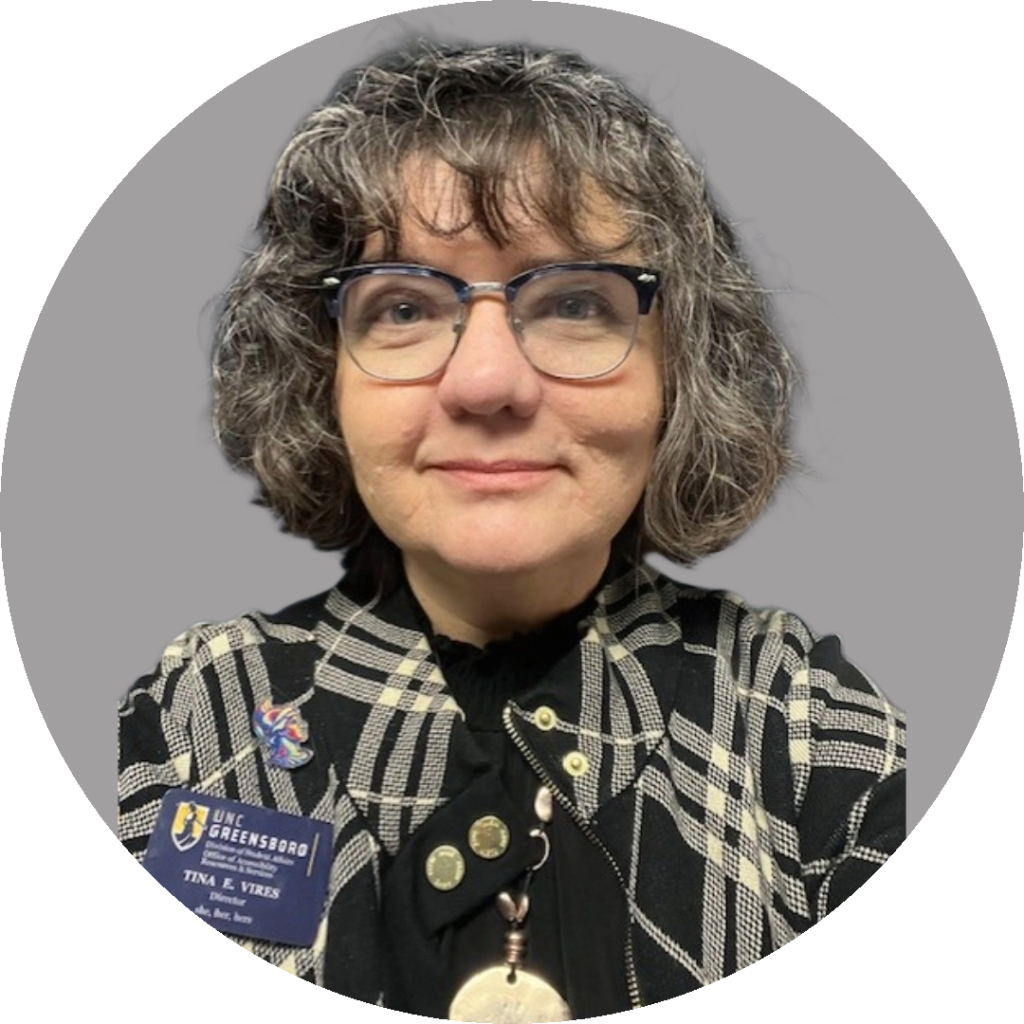
Tina Vires, Director
tevires@uncg.edu
Tina Vires is a seasoned leader in accessibility and disability services in higher education, with over two decades of experience advancing equity, inclusion, and barrier removal across multiple institutions. Currently serving as Director of the Office of Accessibility Resources & Services (OARS) at UNC Greensboro, Tina also acts as an ADA consultant, guiding campus-wide efforts to ensure compliance, access, and inclusive practices.
Her career spans leadership roles at Georgia State University, Winthrop University, and Limestone University, where she directed teams, managed multimillion-dollar budgets, and spearheaded innovative programs such as sundry PhotoVoice initiatives. Tina is known for her strategic vision, collaborative spirit, and commitment to empowering students with disabilities through education, advocacy, and systemic change.
A frequent presenter at national and local conferences including the Association on Higher Ed and Disability (AHEAD), Tina has contributed to professional publications and led training initiatives on topics ranging from ADA compliance to sensory lounges and emotional support animals. She holds an M.Ed. and a Graduate Certificate in Post-Secondary Disability Services from St. Ambrose University, along with ADA Coordinator Training Certification and advanced credentials in ADA employment and Title III business compliance.
Tina is an active member of AHEAD, where she serves as a proposal reviewer and ADA Coordinator Knowledge & Practice Community co-chair. Her work continues to shape inclusive policy and practice, fostering resilience and success among diverse learners.

Tami Rich
tsrich@uncg.edu
Tami has been a dedicated member of the UNCG community since 1992, serving in a variety of roles across campus. At OARS, she is often the first point of contact, warmly welcoming visitors and helping students navigate campus resources. With her deep knowledge of UNCG’s history and culture, she’s a trusted guide for many. Remarkably, Tami earned her bachelor’s degree from UNCG while working full-time for over 16 years—a testament to her perseverance and commitment to education. Her greatest inspiration is her mother, Jean, a proud 1951 graduate of the Women’s College.

Walter “Rusty” Rogers, Assistant Director
wmrogers@uncg.edu
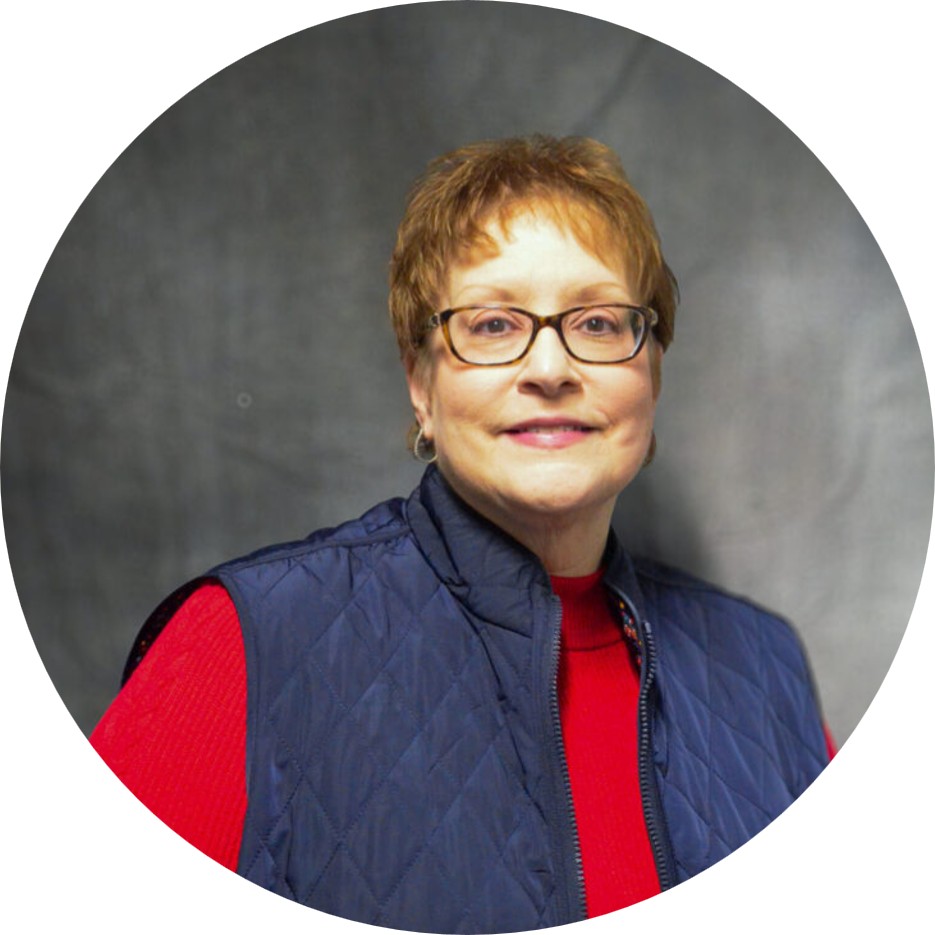
Susan Wise, Assistant Director
sewise@uncg.edu
Tangie Key, Assistant Director
tnkey@uncg.edu

Tanya Kline, Assistant Director
t_kline@uncg.edu